
Umbria rarely appears in the same sentence as Tuscany when agritourism is discussed, but the region has a well-established farmstay sector operating under its own regional regulations. Umbria's Law No. 28 of 2003 governs agriturismo activity in the region, and the classification criteria differ from those applied in Tuscany, Emilia-Romagna, or Puglia. Understanding those differences before booking avoids friction on arrival.
What the agriturismo classification requires
In Italy, the term agriturismo is not a marketing category. It is a legal designation governed by national framework law (Law 96/2006) and implemented separately by each region. For a property to hold the agriturismo classification in Umbria, it must be an active agricultural enterprise — meaning the farming activity must be primary, not secondary to hospitality income.
Umbria's regional body, Regione Umbria, licenses and monitors agriturismo operators through the regional agriculture department. Properties undergo periodic review, and licenses can be suspended if the agricultural component falls below the required threshold. This is relevant because it affects which amenities a property is permitted to offer — pools, restaurants, and multi-day activities each require separate authorisation.
Certification categories in Umbria
Umbrian agriturismi are classified using a sunflower symbol system, with ratings from one to five sunflowers. The rating reflects the range of facilities and activities rather than purely the standard of rooms. A five-sunflower property may offer horse riding, wine production tours, a full-service restaurant, and multiple accommodation types. A two-sunflower property might offer a room, breakfast with farm produce, and access to working olive groves.
Neither rating is inherently superior for every traveller. Properties in the lower categories are often more integrated into daily farm life — guests may find themselves in proximity to working animals, seasonal harvest activity, or family meals. Higher-rated properties tend toward a more managed experience with defined service hours.
Seasonal patterns in Umbrian farmstays
Umbria's agritourism season follows agricultural rhythms more closely than the tourist calendar. The olive harvest runs from late October through mid-November. The grain harvest occurs in June. Many properties accept stays during these periods but with modified availability — certain rooms may be occupied by seasonal workers, and meal services often adjust hours around harvest schedules.
Winter closure is standard for properties in higher altitudes — the Apennine foothills east of Spoleto and Norcia see substantial snowfall from December through February, and access roads to some farms become unreliable. Properties near Perugia, Assisi, and Orvieto generally stay open through winter but may operate with reduced staffing.
The most reliably open periods across the region are April through early July and September through October. August is high season in the hill towns, but many agriturismi impose weekly-minimum stays during this period.
Meal arrangements and dining expectations
Umbria has a strong tradition of agriturismo restaurants using farm produce, and many properties make half-board (mezza pensione) a default rather than optional element of the stay. This means dinner is included in the rate, and guests are expected to dine on-site on most evenings.
This arrangement suits some travellers well and frustrates others. Properties that serve their own olive oil, wine, black truffles from Norcia, or Chianina beef from their own herds provide something that cannot be replicated at a restaurant in town. However, guests who prefer flexibility — or who have dietary requirements that diverge from the standard menu — should clarify meal terms directly with the property before booking.
Some properties offer full board (pensione completa), which includes lunch as well. This is more common at farms oriented toward long stays or group bookings. Weekend-only stays rarely include lunch.
Access and transport
Umbria has two main transport corridors: the E45 motorway running north–south through the Tiber Valley, and the rail connection between Florence and Rome that stops at Orte, Orvieto, and Perugia. Many agriturismi sit at least 10 kilometres from a rail station, often further. A car is not always necessary but substantially expands the range of accessible properties.
Properties near Assisi and Perugia tend to be more accessible without a car. The Perugia–Assisi route is served by a minimetro connection and local buses. Properties in the Valnerina, around Norcia, or in the Martani Hills typically require private transport.
What to confirm before booking
- Whether the property holds a current agriturismo licence with Regione Umbria.
- Exact meal arrangements and whether half-board or full board is included in the quoted rate.
- Minimum stay requirements, particularly in July and August.
- Access conditions, especially if travelling without a car or arriving after dark on a minor road.
- Whether the property closes for any period that overlaps with your intended stay.
- Facilities with separate charges — pools, guided tours, and activity programmes often carry costs not reflected in the room rate.
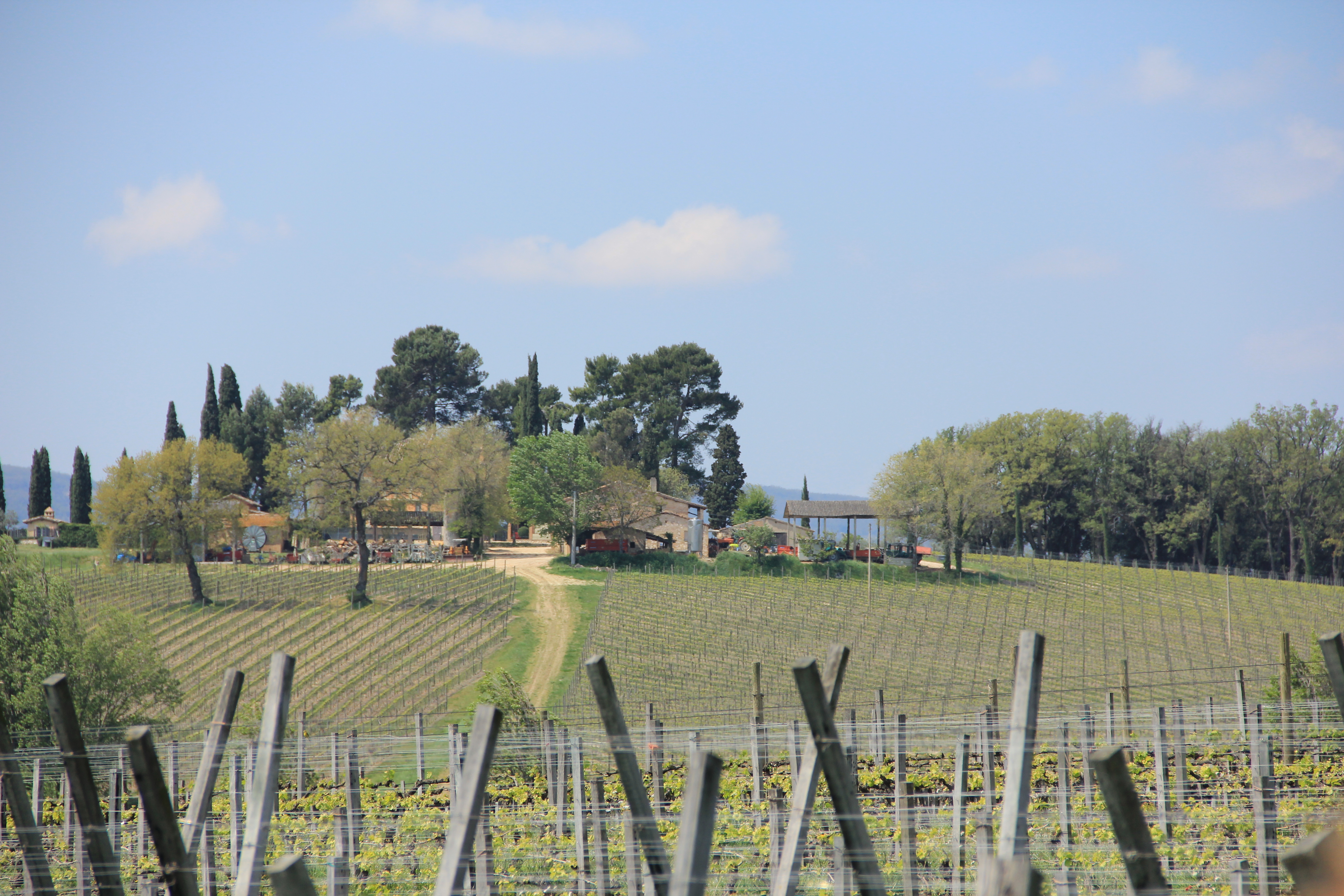
Truffle country and specialist stays
The Norcia and Spoleto areas have developed a cluster of agriturismi oriented specifically around truffle cultivation and harvesting. Some properties offer guided truffle-hunting sessions with trained dogs, which are separately licensed activities under Umbrian regional law on the collection of wild fungi and truffles (Legge Regionale n. 6/2004).
These specialist stays draw travellers from across Europe, particularly in October and November when black truffles are at peak. Booking several months in advance is standard practice for properties in this cluster. The Associazione Nazionale Città del Tartufo (cittadeltartufo.com) maintains a list of municipalities where truffle hunting is regulated.
External references
- Regione Umbria — official regional administration
- Agriturismo.it — national agritourism directory
- Associazione Nazionale Città del Tartufo
Last updated: May 3, 2026

