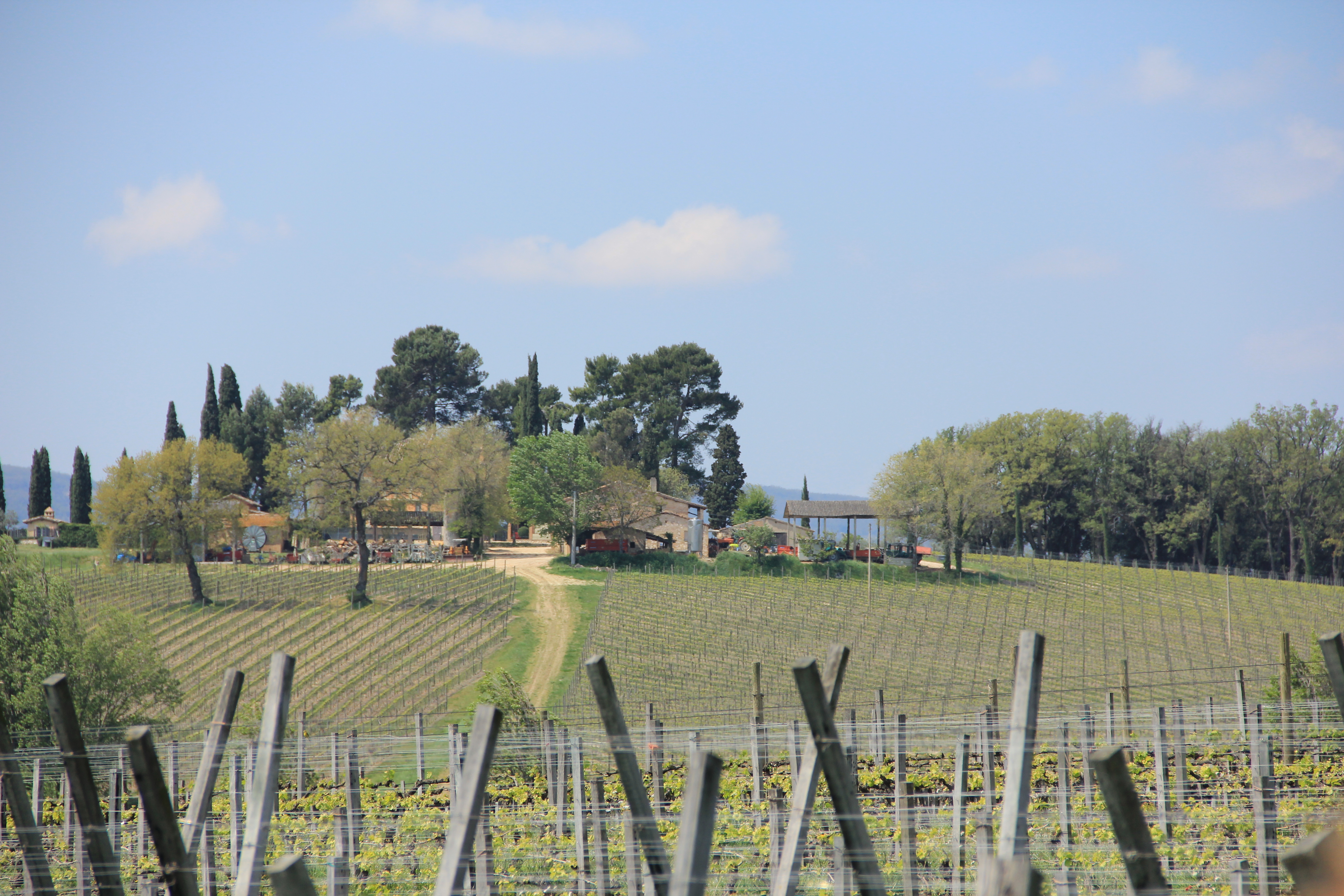
What to Know Before Booking an Agriturismo in Umbria
Umbria's farmstay sector runs on different rules than Tuscany. Certification categories, seasonal closures, and what the agriturismo classification actually means for guests.
Detailed information on farmstays, agriturismi, and rural guesthouses in Tuscany, Umbria, Puglia, Sicily, and beyond. Practical guidance drawn from the landscape itself.
Focused coverage of Italy's agritourism regions — booking considerations, regional differences, and properties with a sense of place.
Umbria's farmstay sector runs on different rules than Tuscany. Certification categories, seasonal closures, and what the agriturismo classification actually means for guests.
Two of Italy's most-visited rural regions attract different kinds of travellers. A side-by-side look at landscape, accommodation types, access, and what each region actually delivers.
Sicily's interior holds stone masserie and baglio compounds that predate the agriturismo category by centuries. How conversion has worked, what survives, and what to expect on arrival.
The term agriturismo is legally defined in Italy under national law and regional regulations. Not every rural property qualifies, and the distinction matters when comparing prices and facilities. Farms must derive a majority of income from agriculture to carry the classification — which keeps the category grounded in actual working land.
Read the Umbria guideThe Chianti corridor, Val d'Orcia, and the Maremma coast each have distinct farmstay cultures. Property density is high and price points span a wide range.
Less internationally marketed than Tuscany, Umbria's hillside farms around Assisi, Spoleto, and Norcia operate on a quieter register with a focus on self-sufficiency.
Masserie in Puglia and baglio conversions in Sicily represent a different architectural tradition — flat land, dry stone walls, and properties that read as villages compressed into single compounds.
An agriturismo operates within agricultural land. The hospitality side is secondary to the farming activity — or is supposed to be. This shapes everything: meal hours follow harvest rhythms, rooms may fill seasonally, and the property often produces what appears on the table. Rural hotels offer different conveniences but carry different trade-offs.
Tuscany vs Puglia comparisonMany agriturismi close entirely from November through March. Some open only for weekends during shoulder months. Confirming availability by phone is standard practice, even when an online booking calendar exists.
Weekly minimums are common in summer, particularly in Tuscany and Puglia. Short stays of two or three nights are more available in spring and autumn. Urban-adjacent farms in Umbria tend to be more flexible year-round.
Half-board (mezza pensione) is frequently the default rather than an option. Properties with on-site restaurants often require dinner as part of the stay. Clarifying this before arrival avoids mismatched expectations.
For questions about specific properties, regions, or general agritourism research, use the form below. Responses typically arrive within two business days.
MeadowRest is an independent editorial resource. Information on this site reflects publicly available data and firsthand regional research. Property details change; verify current availability and terms directly with accommodation providers before booking.